FIRE PITS, RINGS, & FIRE STARTERS
Campfire Pits
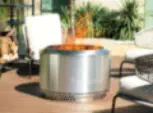
Sitting around a nice warm campfire with great friends and family is a mesmerizing experience. There are many different types, styles, and features that makes each fire pit, or fire rings, unique. Important features that I look for in choosing the best fire pit is to ensure that it is durable, stylish, easy to keep clean, and won’t flood my family and friends with smoke. I don’t like going to bed smelling like a campfire, it can be over bearing. I also don’t like have to play musical chairs as each of us try to out run the smoke direction as most campfires do flood you with smoke, no matter how much I arrange the logs. For most backyards, I recommend that you buy a 19.5-inch 304 stainless smokeless wood pit with a removable ash pan (the Solo Stove Bonfire 2.0 class) unless you cook over fire, want instant on/off, or need a permanent patio table. That one decision—fuel plus cleanup—matters more than brand. After that, size, steel grade, wall thickness, and accessories determine whether you get a 10-year centerpiece or a rusty bowl you hide in year two. Start here: the decision that picks the pit for you Wood vs propane vs natural gas is the real first question, not brand. Wood smells like a campfire and burns hotter once established, but it needs dry fuel, produces ash, and is the first thing banned during fire restrictions. Propane lights in seconds, makes no smoke or ash, and is often allowed when wood is not. Natural gas is the same convenience with no tank swaps, but it is a permanent install. “Smokeless” wood pits are still wood pits. They cut visible smoke dramatically once hot—testers typically estimate about 70–80% less than an open fire—not to zero. Lighting, wet wood, and wind still produce smoke.Campfire pits vs backyard fire pits
Campfire pits are portable: foldable legs, carry bags, under ~25 pounds, sized for 2–6 people. Think BioLite FirePit+, Solo Stove Ranger, Breeo Y Series, Outland Living Mega, pop- up mesh pits. You want airflow, a spark screen or mesh, and a way to dump ash without flipping a 40-pound cylinder. Backyard fire pits stay put (or at least live on the patio). They can be heavier, larger, and more furniture-like: fire tables with glass wind guards, 27-inch smokeless cylinders, 36-inch steel bowls, stone kits. Heat output, seating radius, and weather resistance matter more than packability. Many “backyard” smokeless pits (Bonfire class) also travel in a car. A 62-pound Breeo X24 does not.Types of fire pits (what you are actually buying)
1. Traditional wood bowls and rings
Open steel, cast-iron, or copper bowls, often 30–36 inches, with a mesh spark screen and poker. Cheap, classic, smoky. Fine on gravel in a large yard. Bad next to neighbors, under trees, or on a small patio.2. Smokeless wood pits (double-wall secondary burn)
The category that is the most popular. Double walls preheat air and inject it at the rim so unburned gases ignite a second time. Hotter fire, less smoke, far less ash. Sides get extremely hot. Heat often shoots upward more than outward unless you add a heat deflector.3. Fan-assisted / hybrid wood pits
BioLite-style mesh bodies with a rechargeable fan that forces air through the fuel. Very portable, cook- friendly, more sparks through mesh, fan noise on high.4. Pellet fire pits
Pit Boss and similar: wood pellets in a hopper or pan, often with a fan. Convenient fuel, campfire smell, mixed reviews on durability versus premium stainless cylinders.5. Propane fire bowls
Portable steel bowls with lava rock or glass, 50,000–58,000 BTU, 20-lb tank. Instant, truly smokeless, no ash. Flame looks “gas” unless you use glass and a wind guard. Heat is decent but usually less “campfire hug” than a roaring wood fire.6. Propane / natural-gas fire tables
Furniture: 40–52 inch tables, hidden tank, tempered glass, often 40,000–60,000 BTU. Best for decks, dining, and HOAs. You get a tabletop for drinks. You do not get a roaring bonfire.7. Ethanol / tabletop
Solo Stove Mesa and similar. Ambiance, not heat. Apartments, tabletops, no smoke. Do not expect to warm a group.8. Permanent masonry, paver kits, Corten rings
36 to 44 inches inside diameter is the classic conversation circle. Highest “this is part of the house” feel. Harder to move, often needs a permit if built-in, and wood versions still smoke unless you add a secondary- burn insert.How smokeless wood pits actually work
A traditional pit has one burn: wood + air = heat + a lot of unburned particles (smoke). A double-wall pit adds a second burn: • Primary fire on a raised grate. • Cool air enters bottom vents, travels up the gap between inner and outer walls, and gets preheated (often hundreds of degrees). • Superheated air jets out of holes at the rim and ignites rising smoke. That ring of extra flame is the smoke being burned. What that means for buyers: Use dry, seasoned hardwood (oak, maple, hickory). Wet or green wood defeats the system. Expect smoke for the first 5–15 minutes until the walls are hot. You will burn wood faster because the fire is more efficient and hotter. Heat often goes up, not out. A heat deflector is not a gimmick if people sit close. None of them are spark-proof. High-risk fire areas still need a spark screen and a noncombustible pad.Materials: what lasts, what cleans easily, what rusts
This is where cheap pits die. Heat cycling plus rain plus ash (which is alkaline and corrosive when wet) destroys thin painted steel.What to look for if you want easy clean, easy maintain, long life:
• 304 stainless (not mystery “stainless,” not 201/430 if you can avoid it in coastal or wet climates). Grade 304 is the quality-smokeless standard. It still heat-discolors; that is normal, not failure. • Wall thickness. Budget bowls often use under 1 mm steel and warp. Aim for 1.5–2 mm+ on steel bowls; premium Corten cooking pits are often 3–5 mm. Cast iron is much thicker but brittle. • Corten if you like the rust look and want a “buy it for decades” backyard piece. The patina is the protection. It can stain pavers with rust runoff when new—set it on a sacrificial pad. • Avoid thin painted steel as a 10-year plan. The paint burns off inside, then rain + ash = flakes. • Cast iron holds heat after the fire dies (nice), but it rusts fast if you leave ash in rain, and it can crack if you dump cold water on a hot bowl or drop it. • Copper and sealed concrete shine on gas pits. Intense wood fires are harder on decorative copper and on cheap unreinforced concrete. • Coastal / humid / snow: stainless or sealed concrete/GFRC beat painted steel. Cover everything. Never store a pit with wet ash inside—that slurry etches metal. • Corten, stainless, and bronze are repeatedly cited as the longest-lasting outdoor fire-feature metals.Features that separate a top-quality pit from a season of regret
Must-haves
• Fuel that matches your life (wood ritual vs propane convenience). • Safe stand or legs so the base does not scorch a deck. Many stainless pits need a sold-separately stand for wood/composite decks. • Removable ash pan on wood pits. This is the 2.0-era upgrade people actually feel. Dumping a whole 23–60 lb pit is how pits get dented. • Cover (fabric at minimum; metal lid is better). Rain + ash = corrosion. • Certification on gas units (CSA/UL). Match the orifice to propane vs natural gas—they are not interchangeable without a conversion kit. • Clearance you can actually give it (see safety below). A “perfect” pit in a 8-foot courtyard is a code and neighbor problem.Strongly worth paying for
• Double-wall secondary burn (wood) or a real 50k+ BTU burner (propane). • Spark screen / shield in ember-risk regions. • Heat deflector if the pit is a tall cylinder. • Cooking system designed for that pit (Breeo Outpost, Solo grill/pizza accessories)—not a flimsy supermarket grate. • Limited lifetime warranty on stainless bodies (Solo Stove advertises this on core pits).Nice, not magic
• Color powder coats on stainless (scratches and heat still win). • Bluetooth fans and apps. • Decorative fire glass (looks great on gas; do not put it in a wood smokeless cylinder).Red flags
• No listed steel grade or gauge. • Wobbly thin legs, tiny spark screen with huge gaps. • “50,000 BTU” fire table with a flimsy burner pan and no wind guard. • Wood pit marketed as 100% smokeless. • Cast-iron or thin steel with no cover included and no mention of rust. • Size, heat, and how many people actually fit • Think inner burn diameter + seating ring, not the marketing photo. Seating comfort is usually 6–7 ft from wood flames and 3–4 ft from propane, closer for fire tables. Too close and people lean away; too far and it is just a nightlight. Smokeless cylinders can feel cooler at the knees than an open bowl of the same BTU because heat columns upward. Larger diameter (Yukon vs Bonfire) and a deflector fix more of that than buying a second color.Fuel, cost of ownership, and what to burn
Wood: Seasoned hardwood only. Split to fit (16" max in a Bonfire-class pit, ~22" in a Yukon). Never burn painted/treated lumber, plywood, pallets of unknown origin, trash, leaves, or liquid accelerants. Store wood off the ground, covered, at least 10 feet from the pit. Wet wood = smoke, creosote, frustration. Expect smokeless pits to use wood faster. Budget a decent rack and a moisture meter if you buy unseasoned loads. Pellets: Convenient bags, less romance, extra hopper/adapter cost. Good if you hate splitting logs. Propane: A standard 20-lb tank at ~50,000 BTU lasts on the order of several hours depending on flame setting (high setting eats tanks). Keep a spare. Check connections with soapy water for leaks. Natural gas: Lowest daily hassle, highest install cost. Hire a licensed tech. Permanent location. Ethanol / gel: Ambiance fuel. Pricey per hour, little heat.Safety, codes, HOAs, decks, and burn bans
Check city/county fire code, HOA CC&Rs, and your insurance before you buy. HOAs can ban pits even when the city allows them. Portable pits under about 3 feet often skip building permits; hard-piped natural gas and built-in masonry usually do not.[8]Typical (not universal) distances:
• Wood-burning, including “smokeless”: often 10–25 ft from structures; many guides recommend 15–20 ft from trees/fences because of embers. Keep 10+ ft of branch clearance above. • Gas tables: manufacturer manuals often allow much closer—commonly around 36 inches to combustibles, with more overhead clearance—but your local code and the manual win. Decks are still combustible. Use a listed pad. • Never under a low fabric awning or dry pergola unless the appliance is specifically listed for that and clearances are met. • Base: gravel, concrete, pavers, or a rated fire-pit pad—not dry grass or a bare wood deck without a stand/pad. • Burn bans: Wood is usually first to go. Propane is often exempt because there are no embers. That single fact makes a $200 Outland-style bowl the “best” pit in wildfire country for much of the year. Always: water or a fire extinguisher nearby, spark screen in wind, kids and pets supervised, fully cool before moving, never use in an enclosed space (CO risk, especially gas).Cleaning and maintenance that actually extend life
• After every wood fire (once cold): Dump ash. Removable pan = 30 seconds. No pan = shovel or ash vac. Do not let rain sit in ash. • Brush loose debris. Avoid grinding stainless with aggressive steel wool if you care about finish. • Cover when dry. • Monthly / as needed: mild soap and water, dry thoroughly. Stainless cleaner for heat tint if you want the showroom look (most owners stop caring). Cast iron: dry immediately, thin coat of high-temp oil. Treat it like a skillet that lives outside. Corten: do almost nothing after the patina sets. Hose off. Expect runoff early on. Gas: lift glass/lava rock, vacuum debris from burner ports, check the hose, cover the table. Spider webs in orifices cause ugly yellow flames. Never quench a hot metal pit with a hose unless it is an emergency. Thermal shock warps thin steel and can crack cast iron or cheap concrete.Product reviews: popular brands and models
Prices move constantly; use these as class and typical street range, then shop current listings. “Best” below is by use case, not a single trophy.Solo Stove Bonfire 2.0 — best all-around wood pit for most people
Type: Smokeless wood | Material: 304 stainless | Size: 19.5" dia × ~14" tall | Weight: ~23 lb | Typical price: about $250–$350 This is the default recommendation across Forbes Vetted, Wirecutter-style testing, OutdoorGearLab-class roundups, and most 2026 buyer’s guides: light enough to move, sized for 4–6, secondary burn that actually works once hot, and the 2.0 removable ash pan fixed the old “flip the whole stove” complaint. Limited lifetime warranty on the body is a real differentiator. Pros: Portable, easy to light in still air, little ash, huge accessory ecosystem (stand, shield, heat deflector, grill, Pi pizza oven), carrying case. Cons: Not truly smokeless at startup; heat is more vertical than an open bowl; stainless tints; stand often extra for decks; 16" logs need careful stacking; looks like a “metal drum” if you wanted rustic. Buy if: You want one pit for patio + occasional camping and you sit 4–6 people. Skip if: You cook every weekend (get Breeo) or you host 10 (get Yukon/X24).Solo Stove Yukon 2.0 — best large smokeless backyard pit
27" × ~17", ~42 lb, typically $450–$550. Same 304 stainless system, bigger logs (~22"), more radiant heat, 8–12 people. OutdoorGearLab has ranked Yukon as the best backyard pit for smoke management and heat. Less portable. Uses more wood. The model you want if the Bonfire felt like a camp stove in a big yard.[11]Solo Stove Ranger — camping / small patio
15", ~15 lb. Same tech, smaller fire. Great in a bag; underwhelming as your only backyard heater.Solo Stove Summit series — newer, taller flame, easier light
Same footprints as Bonfire/Yukon-class with redesigned airflow, Quick-Strike style lighting, often a lower profile and built-in stand thinking. Costs more than Classic. Worth it if you want easier starts and a bigger flame picture; not required if a Bonfire 2.0 already does your job. Testers are still splitting on whether the premium is justified.[3]Solo Stove Mesa — tabletop ambiance
Tiny stainless ethanol/wood-pellet tabletop vibe depending on version. Cute. Not a backyard heater. Fine for a balcony table if open-flame rules allow.Breeo X Series 24 — best upgrade / best for cooking
~24" class, ~62 lb, Corten or 304 stainless, typically ~$480–$700. Popular Mechanics and cooking-focused testers often put this over Solo when the question is “live-fire kitchen,” not “pretty cylinder.” Thick, American- welded feel, huge heat, Outpost swing-arm grate, sear disc, rotisserie, pizza dome. Stainless costs more and stays prettier; Corten is the classic backyard sculpture.[12] Pros: Heat you feel in your chest; cooking system that is actually designed, not an afterthought; decades- minded steel. Cons: Heavy; no removable ash pan on many X models (shovel/vac every few fires); expensive once you add Outpost + lid + cover; overkill for marshmallows-only. X19 vs X24: Get 24 if you cook or host. The grate area jump is large (~75% more cooking space in common comparisons).Breeo Y Series — portable Breeo / camping cook pit
Lighter, legs, still accessory-friendly. Popular Mechanics’ camping pick. Better than X if you will actually move it; still not a 23 lb Solo.Tiki Patio 25" Smokeless — best “looks like patio furniture” wood pit
~25" × 19" tall, ~43–45 lb, stainless + powder-coat, often ~$295–$395. Wirecutter and Reviewed have long liked it for people who hate the industrial drum look. Removable ash tray (a bit flimsy compared with Solo’s pan, but it works). Gorgeous flame pattern. Heat deflector sold separately because, like other smokeless pits, heat goes up. Two-year limited warranty is shorter than Solo’s body warranty.[3] Buy if: The pit lives on a furnished patio and aesthetics matter as much as burn quality.Tiki Customizable Propane — best “brand-name” propane furniture pit
Business Insider and Reviewed have highlighted Tiki’s propane line for easy start and a designed look. Less raw heat than a 58k portable bowl on high; more “evening cocktail table.” Good HOA / no-ash choice.Outland Living Mega (and 21–24" firebowls) — best portable propane / best gas bowl
~21–24", ~26 lb, steel, often ~$180–$250, ~58,000 BTU. Repeatedly the propane pick: Forbes, OutdoorGearLab, BHG-style lists. Tank-side, lava rock, carry it to the beach (where allowed), no smoke, no ash. The flame is clearly gas. Wind can lick it around. Perfect second pit next to a wood smokeless, or first pit if you have burn bans.[13]BioLite FirePit+ — best gadget / camp-and-cook portable wood
~20 lb, mesh body, fold-flat legs, bag, USB-rechargeable 4-speed fan, grill grate. Forbes’ portable pick. 360° fire view, charcoal or wood, ash drawer. Fan noise and sparks through mesh are the tradeoffs. Excellent if you camp more than you host.East Oak Fuoco / similar 21" clones — best budget smokeless
Often ~$140–$170. Double-wall stainless-ish construction that copies the Solo geometry. The Spruce and value roundups keep recommending this class when $350 feels silly. Expect heavier-than-Solo weight or thinner steel, weaker warranty, and more smoke in side-by-sides—but a huge step up from a $60 bowl.Cuisinart Cleanburn 24" — easy-clean mid-price smokeless
Double-wall stainless, removable ash tray, lighter than Breeo. Popular Mechanics has called it a cleanup winner. Less of a furniture piece than Tiki, less of a cult object than Solo, often a smart “I want the tech not the logo” buy.Blue Sky Outdoor Living (Ridge / Peak) — value / heavy-use alternative
Bob Vila and Wirecutter have praised Blue Sky for value or heavy use depending on generation. Smaller burn chambers on some Ridge models. Look at current diameter before you assume Bonfire-class gatherings.Pit Boss pellet smokeless — pellet convenience
CNET has at times led with pellet pits for overall ease. Pellets are tidy fuel. Long-term steel quality and fan electronics are why some buyers still prefer a dumb 304 cylinder with no moving parts.Ninja Fireside360 — propane that also heats like a patio heater
Business Insider’s “best smokeless” in one 2026 roundup: fully smokeless propane, dual fire-pit/heater personality, eats propane. Buy for patios that need warmth without wood, not for campfire vibes.Bali Outdoors / Best Choice / Barton propane tables — fire-table value
This Old House-style propane roundups often put Bali ~42" / ~60,000 BTU as a best-overall table and cheaper aluminum tables as furniture pieces. Check burner quality, glass wind guard, tank hide, and CSA marks. These win when you want drinks + flame, not logs.Sunnydaze, Hampton Bay, and big-box steel bowls — honest budget wood
Under $200, 30–36" bowls with screens. Good Housekeeping still lists stone-look budget pits as value. They smoke, they rust, they work. If you use a fire six nights a year on gravel, this is rational. If you use it 40 nights, you will wish you had stainless.Built-in paver kits and custom masonry
This Old House territory: kits from ~$400; custom stone gas pits in the thousands. Ideal inside diameter often 36–44 inches. Permanent, beautiful, and a permit/inspection conversation. Pair a gas log set with a kit if you want zero ash in a designed yard.Which one should you buy? Direct recommendations
Best single purchase for most households: Solo Stove Bonfire 2.0 (or a well-reviewed 19–21" 304 double-wall with ash pan if you are budget-shopping East Oak/Cuisinart). Add the stand, cover, and heat deflector. Add a spark shield if you have a wood deck, dry grass, or wildfire risk. Best if you entertain a crowd: Solo Stove Yukon 2.0 or Breeo X24. Best if you will cook: Breeo X24 + Outpost grill (then lid). Solo’s grill/pizza add-ons work; Breeo’s system is the one cooking reviewers keep calling the winner. Best propane portable: Outland Living Mega-class bowl. Best propane “furniture”: A CSA-listed fire table in the 40,000–60,000 BTU range with a wind guard, or Tiki’s propane line if you want a designed look. Best camping: BioLite FirePit+ or Solo Ranger; Outland if fires are banned. Best “leave it outside and ignore it”: Thick Corten (Breeo X or a quality Corten bowl) on a non-staining pad, or sealed GFRC gas table with a cover. Best cheap experiment: $100–$160 smokeless clone or a screened steel bowl—not both. Put the rest of the money into a cover, a pad, and dry wood.Accessories worth the money (and ones to skip)
Buy: fitted cover, stand/deck pad, spark screen in dry climates, heat deflector on tall smokeless pits, leather gloves, a real fire poker, wood storage rack, moisture meter, extra propane tank. Buy if you cook: Breeo Outpost (or equivalent swing grate), cast-iron grate/griddle that fits your rim, pizza attachment only if you will use it monthly. Skip at first: every color variant, Bluetooth, decorative glass in a wood pit, cheap universal “any pit” screens that dump sparks.Common mistakes that make people hate their pit
Buying a 36" smoky bowl for a townhouse patio. Using a wood pit on a composite deck with no stand or pad. Storing it uncovered with ash inside. Expecting Bonfire-class heat for 10 Adirondack chairs. Burning construction scraps. Skipping the HOA / burn-ban check, then parking a $600 wood pit for fire season. Quenching hot metal with water. Comparing “smokeless” marketing photos to a real first light.Quick FAQ
Are smokeless fire pits worth it? Yes if smoke or neighbors are why you do not currently have a fire. No if you have acreage, love a smoky bowl, and will not pay 2–5× for less ash. What material is easiest to clean and lasts? 304 stainless with a removable ash pan and a cover. Corten lasts as long with even less cosmetic fuss if you like rust.[14] Can I put a fire pit on a wood deck? Gas tables often yes with a pad and manual clearances. Wood smokeless only with a stand, pad, spark control, and honest overhead clearance. Some cities still say no open flame on combustible decks. How far from the house? Follow the strictest of: your manual, your city, your HOA. Wood is commonly 10–25 feet; do not assume a 3-foot patio gap is legal.[8] Wood or propane? Wood for ritual and heat. Propane for weeknights, decks, and burn bans. Many serious backyard people eventually own both. Do I need a spark screen? In the West, on decks, near mulch, or with kids—yes. In a gravel pit far from structures, you can often run open. Bottom line: Pay for the right fuel, thick or stainless metal, a way to dump ash without wrestling the pit, and a cover. The Bonfire 2.0 class is the correct answer for most buyers; Breeo is the correct answer for cooks; Outland-class propane is the correct answer for convenience and restrictions. Everything else is size, style, and whether you want the fire to be a toy, a heater, or a kitchen.FIRE STARTERS
Best Camping Campfire Fire Starters
Whether you need a firestarter for a campfire, a fire pit, or even a fire at home, there are many different firestarter styles to choose from. Nothing like being on a backcountry hiking trip, or a family camping trip, as you see the sun start to set and the temperature begins to drop. It’s time to start a fire, and quick, so you can get back to relaxing to some great conversation around the campfire. I never leave for a camping trip without plenty of wood, a lighter and some waterproof matches, and my trustworthy pack of fire starters. Campfires can be difficult to start, and using a fire starter ensures the task of starting a fire will be simple, quick, and easy! Fire starters also work amazingly well for wood stoves, home fireplaces, and back yard fire pits.Black Beard Pirates Plunder Ultimate Firestarter Bundle
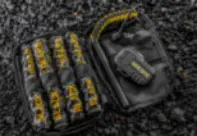
• 4 Black Beard Fire Starters • 1 Fire Kit Organizer • 1 Black Beard Ferro Rod • 1 Black Beard Velcro Patch • 1 Plasma Arc Lighter The The Black Beard Arc Lighter is a unique, must have gadget for anyone that enjoys the outdoors. Black Beard Arc Lighters are Waterproof, Windproof, and Rechargeable. Includes a lanyard and USB charging cord. The firestarters are also windproof, and waterproof. Their unique blend will never evaporate, deteriorate or dissipate and is designed to light up every time. Black Beard Fire Starters are a must have for every backpacker, bug out bag and 72 hour/emergency kit. Throw it in your packs and don't worry about not having a fire again. This is the perfect emergency fire starter for Bushcraft, Hiking, Hunting, Fishing, Camping, EDC, Emergency, BBQ, Gas Camp Stoves, etc.Coghlan’s Fire Disc Fire Starter
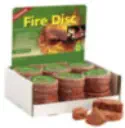
Coghlan’s Fire Discs are made of cedar and refined wax to make the perfect fire starting combination. Great for starting campfires, or wood stove’s. They are made to light simply and easily. The fire discs are scored so that you can break them apart into four sections for multiple fires.Coghlan’s Waterproof Fire Sticks
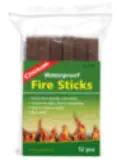
Coghlan’s waterproof fire sticks are a fast and easy way to start your campfire and your fireplace. They are waterproof so they will even light after being submerged in water once you dry them off. They each burn for about nine minutes, and there are twelve fire sticks in each package.S.O.L.® Fire Lite™ Fuel Cubes
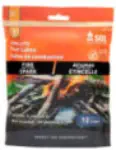
When you are out in the backcountry, a fire can really be the difference between life and death. Make sure that you have the ability to start an emergency fire anytime and anywhere with the S.O.L.® Fire Lite™ Fuel Cubes. These fire starters are both windproof and waterproof, as they are made for all weather conditions. They ignite easily and will burn up to eight minutes in any conditions. These cubes will burn up to 1,300°F, which will provide plenty of heat to boil your water or to start a campfire. Each cube can be cut into about eight pieces that will burn for about two to three minutes each. Eac package includes twelve cubes that stored in a reusable, waterproof DryFlex storage bag, a Fire Lite sparker, and instructions. About The Author Mike Mendenhall is the the founder of Mendenhall Outdoors. This website is an extension of the Mendenhall family’s lifestyle and passion for the great outdoors. Everything that they learn, and experience, along the way that they find may be valuable to our website visitors is on the site for you to enjoy. We highlight products and services that you might find interesting. We frequently receive free products from manufacturers to test. This does not drive our decision as to whether or not a product is featured or recommended. If you click a link on this page, then go on to make a purchase, we might receive a commission – at no extra cost to you, and does not impact the purchase price of any products that you may purchase. The Best Campfire Firepit and Fire Starter Experience Awaits!

Which Firepit Should I Get?
You Want…
Buy This Category
Typical Spend
Real wood fire, little smoke, 4 to 6 people
19 to 20 inch double-wall stainless
smokeless pit
$140 - $400
Real wood fire, little smoke, 8 to 12 people
24 to 27 inch smokeless pit
$450- $700
Cook steaks, pizza, rotisserie
Heavy Corten Stainless Pit with a swing arm
grate
$400- $1,400
Instant flame, no ash, deck / HOA / burn ban
friendly
Propane bowl or fire table
$150 - $800
Camping, beach, tailgate
Under 25 pound portable (wood fan assist
or propane)
$150 - $400
Leave it forever landscape feature
Masonry / paver kit or custom corten /
concrete
$400 - $5,000 +
Cheap “we’ll see if we use it”
Steel bowl with screen (accept rust and
smoke)
$40 - $150
Material
Durability
Cleaning
Maintenance
Look
Best Use
304 Stainless Steel
Excellent if covered
Easiest: dump ash, wipe
hose
Low
Modern; heat-tints
bronze
Smokeless portable -
backyard
Corten (weathering steel)
Excellent, thick gauge is key
Ash shovel; hose
Almost none after patina
Rustic orange
Heavy Backyard, cooking
pits
Powder Coated / mild steel
Fair; coating fails at the fire line
Ash, rust spots
High: cover, touch up
paint
Many colors available
Budget bowls, some gas
tables
Cast iron
Long life if not shocked
Steel wool, dry
immediately
High: oil, season, never
leave wet
Traditional black
Heavy rustic bowls
Copper
Very long, does not rust
Mild soap; polish if you
want shine
Moderate if you fight
patina
Warm luxury
Mostly gas bowls
Concrete / GFRC
High if sealed and quality mix
Soap and water
Seal periodically
Architectural
Gas fire tables
Stone / brick / pavers
High
As, occasional mortar
Low to moderate
Permanent landscape
Built in wood or gas













Website Designed By Mendenhall Family Enterprises
MENDENHALL OUTDOORS © 2025
Privacy Policy
copyright




Pit size
Typical people
Notes
Tabletop (Mesa, 7”)
2
Ambiance, not a heater
15” (Ranger Class)
2-4
Camping, small patio
19.5” (Bonfire class)
4-6
Best all around backyard
size
24-25”
6-8
Cooking sweet spot
(Breeo X24, Tiki 25”)
27” (Yukon class)
8-12
Real radiant warmth for a
group
30-36” open bowl
8-12
Classic, smoky
36-44” masonry ID
8-10
Chatting distance, built in
standard